Why Foggy Goggles Feel Like a Crisis in Adult Swim Lessons (and the Fix)
Quick Answer: Foggy goggles feel disproportionately panic-inducing for adult swimmers because losing visibility compounds existing water anxiety. Anti-fog spray plus a quick pool-water rinse (never touching the lens with fingers) before every lesson prevents most fogging before it starts.
For a confident swimmer, foggy goggles are a minor annoyance. For an adult still building water confidence, suddenly losing visibility mid-lap can spike anxiety fast enough to derail an entire lesson. The fix is mostly prevention, not mid-swim troubleshooting.
Why does goggle fog feel worse for adult beginners specifically?
Because many adult swimmers in lessons are already managing some baseline water anxiety, and losing visual orientation — even briefly — removes one of the few reliable anchors they’ve built confidence around. A sudden fog-out can feel like a bigger loss of control than it actually is.
Understanding that the fog itself is a simple, fixable mechanical issue — not a sign something is going wrong with your swimming — helps separate the practical problem from the emotional spike.
Why do goggles fog up in the first place?
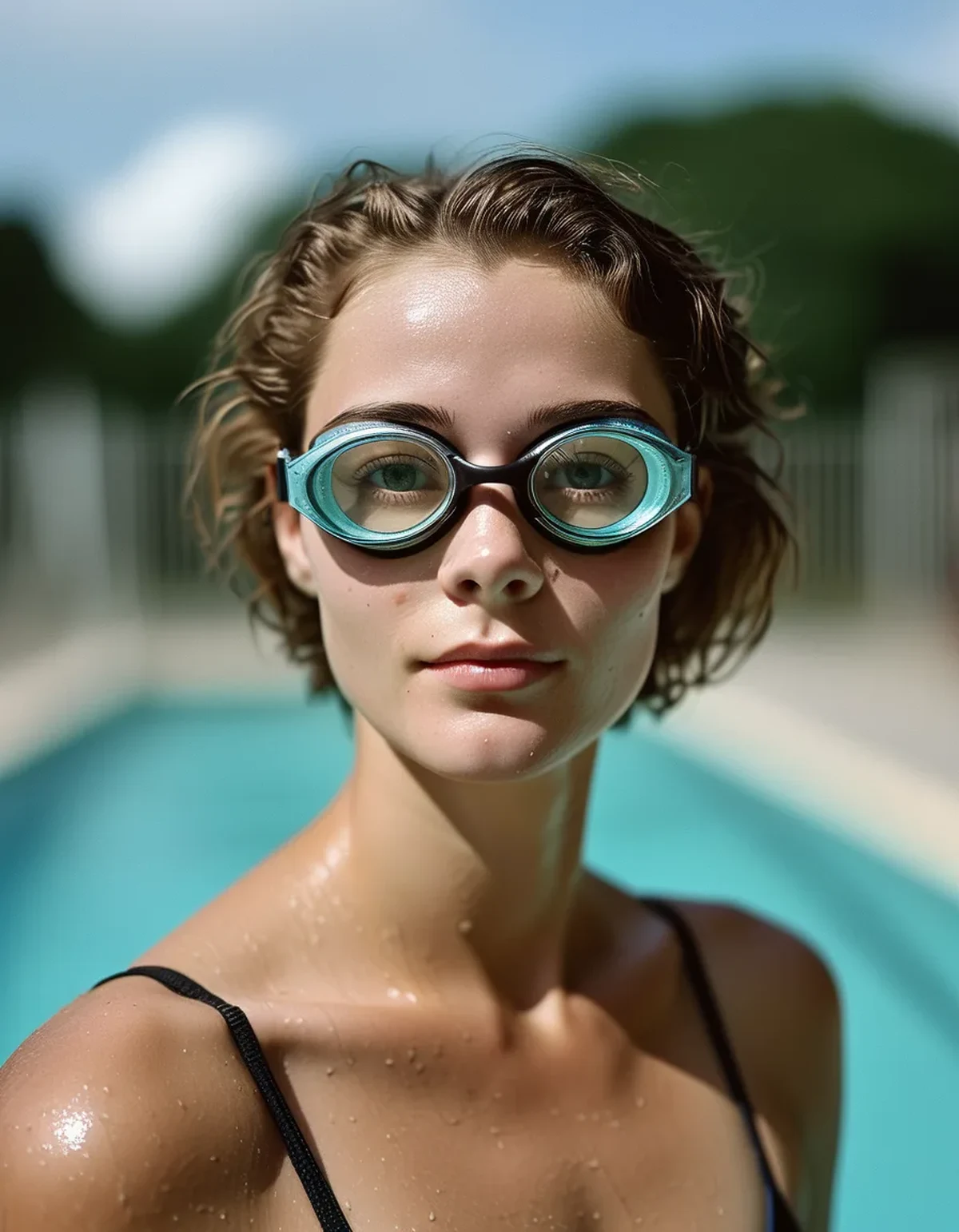
Fogging happens when warm, humid air trapped between your eye and the lens meets the cooler lens surface and condenses — the same basic process as a bathroom mirror fogging after a hot shower. New goggles often fog less due to factory anti-fog coating, which wears off with regular use and, critically, with any finger contact on the inside lens.

What’s the actual fix, step by step?
- Never touch the inside lens with your fingers, even to wipe it — finger oils strip anti-fog coating faster than almost anything else.
- Apply a dedicated anti-fog spray (not toothpaste or baby shampoo, both of which work inconsistently and can irritate eyes) before your lesson, following the product’s specific wait time.
- Rinse briefly in pool water, not tap water, right before putting them on — this settles the anti-fog layer without stripping it.
- Store goggles dry and uncovered between lessons rather than sealed in a bag while damp, which degrades the coating faster.
What do you do if they fog up mid-lesson anyway?
Pause at the wall rather than continuing to swim with impaired visibility, which is what escalates minor fog into real anxiety. A quick dunk and shake, or lifting them briefly to clear condensation, resolves most in-lesson fogging in under 10 seconds.
Telling your instructor when it happens is genuinely useful, not an interruption — most swim instructors would rather pause 10 seconds for a goggle fix than have a student push through impaired visibility and lose confidence for the rest of the session.
FAQ: Swim Goggle Fogging Questions, Answered
How often should I reapply anti-fog spray?
Most sprays need reapplication every few lessons as the coating wears from regular use — check your specific product, but weekly reapplication is a reasonable default for regular swimmers.
Are expensive goggles less likely to fog than cheap ones?
Not reliably — anti-fog coating quality varies more by product line and care routine than by price point alone.
Is it normal to still feel anxious even after fixing the fogging?
Yes — the fog was one trigger among possibly several for water anxiety, and fixing it is one solid step, not necessarily the whole solution. Many adult learners find that anxiety fades gradually with consistent, positive lesson experiences over several weeks.
TL;DR:
- Fog feels worse for adult beginners because it compounds existing water anxiety
- Never touch the inside lens with fingers — it strips anti-fog coating fastest
- Use dedicated anti-fog spray and rinse in pool water, not tap, right before swimming
- If fog happens mid-lesson, pause at the wall rather than pushing through impaired visibility
Prevention beats mid-swim fixes here — a 30-second routine before each lesson solves most of this before it becomes a problem.
Keep Reading
This article is for general informational purposes only and is not medical advice. Always consult a qualified health professional for guidance specific to you.