Private vs Group Swim Lessons for Adults: Which One Actually Gets You Swimming Faster?
Quick Answer: Private lessons progress technique faster due to constant, individualized feedback and pacing matched exactly to your comfort level, making them especially valuable for adults with significant water fear. Group lessons cost less and add peer accountability and social motivation, working well for adults who are moderately comfortable in water and mainly need structured stroke development.
The right choice depends less on budget alone and more on where you’re actually starting from — fear level and existing comfort in water change which format serves you better far more than most people expect.

Why do private lessons work faster for adults with real water fear?
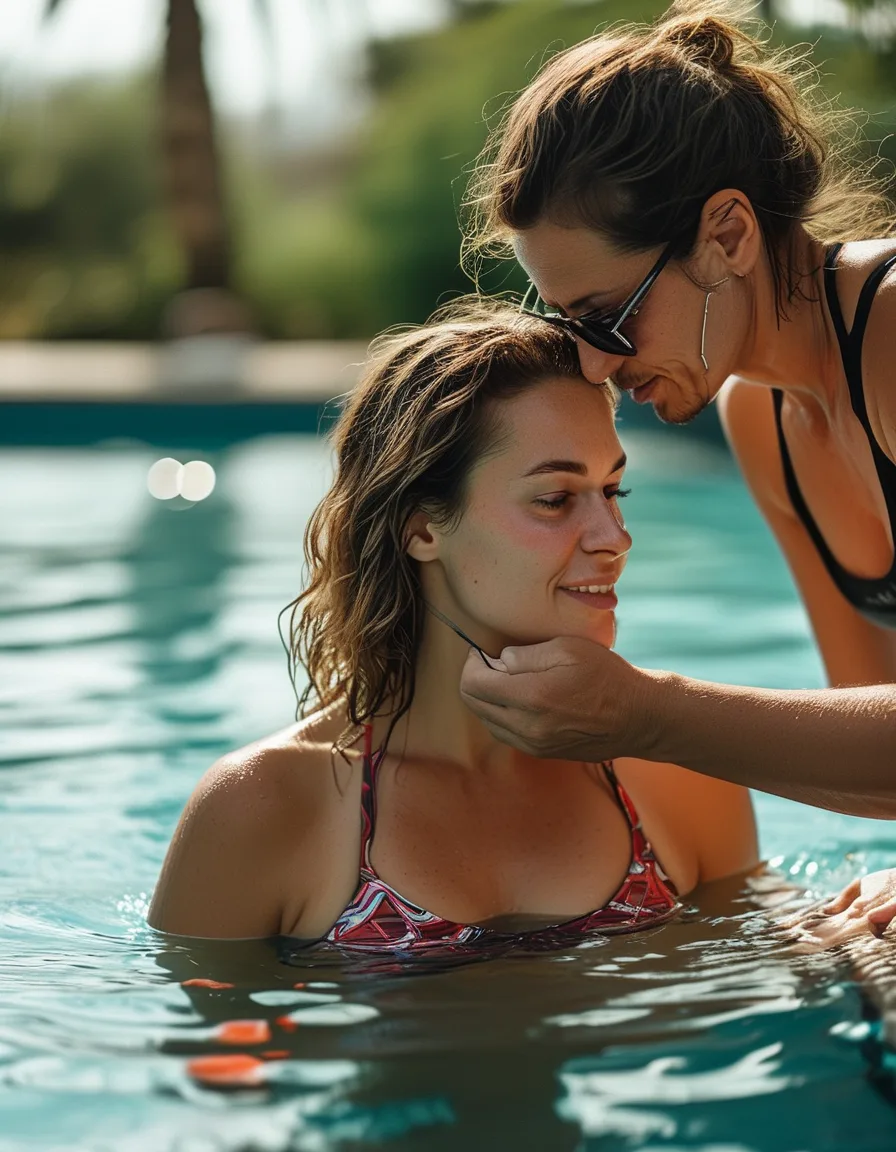
An instructor working one-on-one can read your specific anxiety response in real time and adjust pace immediately — slowing down, repeating a step, or spending an entire session just on breath control before moving to anything else, without a group’s shared schedule forcing progression regardless of individual readiness.
For adults specifically (who often carry more entrenched fear responses than children learning fresh), this individualized pacing is frequently the difference between genuine progress and a frustrating stall, since group classes are structured around an average pace that may move faster than a fearful adult beginner is ready for.
What does group instruction actually offer that private lessons don’t?
Peer visibility and shared vulnerability — watching other adult beginners struggle with the same fears and awkwardness normalizes the experience in a way one-on-one instruction can’t replicate. A lot of adults report that seeing another adult successfully push through a fear (putting their face in water, floating on their back) does more for their own confidence than an instructor’s verbal encouragement alone.
Group classes are also significantly more affordable per session, which matters for the multi-week or multi-month commitment adult swim proficiency typically requires — cost dropout is a real reason progress stalls, and private lessons’ higher per-session cost can work against long-term consistency for some people.
Does a hybrid approach actually make sense?
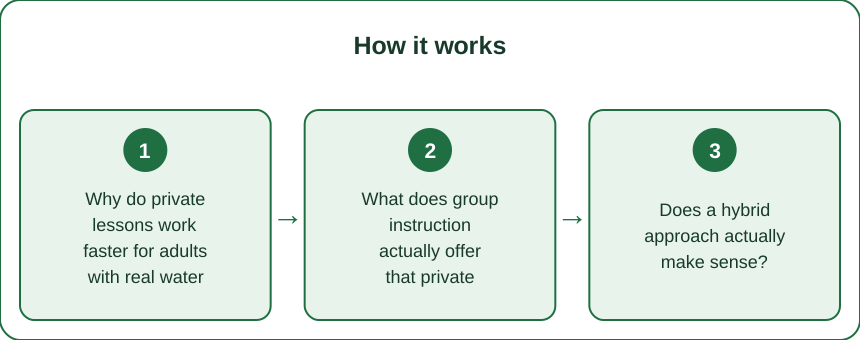
Yes, and it’s a commonly recommended path — starting with a handful of private lessons to address specific fear or technique blockers, then transitioning into group classes once basic water comfort is established, combines private instruction’s fast individualized progress with group classes’ affordability and social reinforcement for the longer stroke-development phase.
This sequencing also avoids paying private-lesson rates for skill-building that a group format handles perfectly well once the initial fear barrier is no longer the primary obstacle.
Does class size within ‘group’ lessons matter a lot?
Yes — a class of 3-4 adults functions very differently than a class of 10-12. Smaller group classes retain a meaningful amount of individual instructor attention while still providing peer dynamics, essentially splitting the difference between private and large-group formats. Larger classes shift further toward general instruction with less per-person feedback, which matters more for adults working through specific technical or fear-related sticking points.
When comparing group options, checking actual class size (not just the ‘group lesson’ label) is a more useful comparison point than assuming all group formats are functionally similar.
FAQ: Private vs Group Adult Swim Lesson Questions, Answered
How many private lessons does it typically take to get comfortable in water?
Highly individual, but many adults with moderate fear see meaningful comfort gains within 4-8 sessions, while significant fear can reasonably take longer — progress isn’t linear and setbacks within that window are normal.
Is it embarrassing to be in a group class as an adult who can’t swim?
Most adult beginner classes are specifically composed of other adult beginners, which tends to reduce this concern in practice more than people expect going in — the shared context is usually reassuring once the first session starts.
Can I switch from group to private lessons partway through if I’m not progressing?
Yes, and instructors and swim schools generally accommodate this — recognizing a format isn’t working and adjusting is a normal, reasonable part of the process, not a sign of failure.
TL;DR:
- Private lessons progress technique and fear reduction fastest through individualized pacing
- Group lessons cost less and add real peer motivation and normalization of the learning process
- A hybrid approach (private first, then group) often combines the best of both
- Actual class size within ‘group’ options matters more than the group label alone
Match the format to your starting fear level and budget rather than assuming one is universally superior — both get people swimming, just via different mechanisms.
Keep Reading
This article is for general informational purposes only and is not medical advice. Always consult a qualified health professional for guidance specific to you.